

SportyBet Casino Online: Guide for Nigerian Players
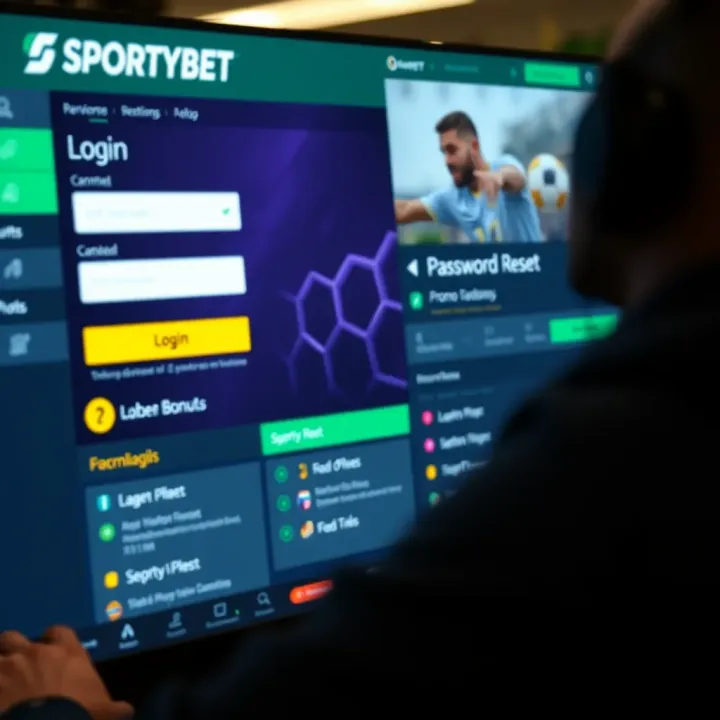
🎰 SportyBet Casino Online gives Nigerian players easy access to betting and gaming. Learn how to register, make payments, pick games, and get support under Nigeria's laws. 💵
Edited By
George Atkinson
Abuja's casino industry is steadily growing, albeit remaining a niche in Nigeria's entertainment sector. Several casinos operate within the city, offering activities like slot machines, table games such as poker and blackjack, bingo, and sports betting. These establishments serve both locals and visitors, contributing to the city's nightlife and leisure options.
All casinos in Abuja operate under the regulation of the National Lottery Regulatory Commission (NLRC) and Nigerian laws governing gaming. The law mandates proper licensing, age restrictions (typically 18 years and above), and adherence to responsible gambling measures. Recent enforcement has tightened to curb unlicensed operations and illegal gambling, ensuring a safer environment for patrons.
Czar Casino: Located on Tafawa Balewa Way, it’s one of Abuja’s well-known casinos offering a range of electronic games and live dealer tables.
The Pinnacle: This venue combines upscale dining with gaming facilities, attracting a more high-end clientele.
Olympia Casino: Popular with tourists, found in the Central Business District, offering slots and roulette.
Beyond physical casinos, online betting platforms such as Bet9ja and NairaBet enjoy high engagement among Abuja residents, blending traditional casino games with sports betting.
Casinos contribute to Abuja’s economy through job creation and tax revenues. However, challenges persist: inconsistent power supply raises operational costs, while cultural attitudes towards gambling vary, influencing patronage. Some consider gambling a leisure activity, but others view it skeptically due to social and religious beliefs.
For Sports Bettors: Many casinos integrate sports betting, allowing you to place bets while enjoying the casino atmosphere.
For Financial Professionals and Managers: Understanding casino operations helps anticipate economic trends in Abuja’s leisure sector.
For Customer Service Agents: Awareness of gaming laws and customer profiles can improve service quality.
For Online Gamblers: Familiarity with licensed casinos guards against scams and fraudulent sites.
Casinos in Abuja present a growing opportunity balanced by tight regulations and cultural factors; staying informed helps you navigate this evolving scene effectively.
As Abuja grows, so will its gaming sector. Keeping an eye on regulatory changes and market trends will be useful for anyone involved or interested in the casino scene here.
Understanding the current status of casinos in Abuja is vital for grasping how the gaming industry operates within Nigeria's capital. This insight allows investors, players, and regulators to evaluate the gaming environment, spot opportunities, and recognise challenges affecting growth and customer satisfaction.
Abuja currently hosts several operational casinos, ranging from standalone gaming centres to integrated resorts. Notable examples include Casino Royale and The Shady Casino, which are licensed and regulated by the Nigerian Federal Government and the FCT administration. These venues largely comply with established rules, ensuring a legitimate gaming experience amidst growing competition from informal operators.
The types of games offered in Abuja's casinos include traditional table games such as blackjack, roulette, and poker, alongside slot machines and electronic gaming. These are supplemented by sports betting lounges—a favourite pastime in Nigeria—offering bets on local leagues and international matches. This mix caters to varying gambler profiles, from casual players to high rollers seeking diverse options.
Regarding services and facilities, Abuja casinos tend to provide more than just gaming. Premium lounges with bars, restaurants serving continental and local dishes, and live entertainment are common features. For instance, some casinos offer private rooms for VIP guests and event spaces for social gatherings. This broadens appeal beyond gambling to overall leisure and escapism.
The typical visitors to Abuja casinos are mostly young and middle-aged adults, including professionals, expatriates, and government officials. While the majority come for recreation, some view casinos as investment opportunities or networking spots. The disposable income and urban lifestyle in Abuja influence this customer base, which often includes both local residents and tourists.
Location plays a key role in patronage, with casinos situated in accessible areas such as Wuse, Maitama, and Central Business District. Proximity to hotels, transport hubs, and business centres attracts more foot traffic. However, traffic congestion during peak hours can discourage some potential patrons from visiting regularly.
Customer preferences have evolved steadily, with increasing demand for technology-driven experiences. Many now favour cashless transactions using mobile payment platforms like OPay or Paystack integrated at casinos. Live dealer games streamed online and mobile-friendly interfaces also rank high among newer patrons. Meanwhile, some traditional players remain loyal to face-to-face betting and physical slot machines.
Access to a variety of games coupled with comfortable facilities and smart locations continues to define the success of casinos in Abuja. Understanding these dynamics helps stakeholders plan better for sustainable growth.
In summary, Abuja's casino scene combines a mix of licensed gaming establishments with varied offerings and customer profiles. Location, quality of services, and adapting to tech trends shape the patronage and ongoing relevance of casinos in the city.
Understanding the legal and regulatory framework for casinos in Abuja is essential for grasping how these establishments operate within Nigeria’s capital. This framework sets the rules and standards that operators must follow to ensure fair play, protect customers, and maintain order in the industry.

Abuja casinos operate under both federal and Federal Capital Territory (FCT) regulations. The primary legal setting comes from the Criminal Code Act, alongside local laws specific to gaming activities in Abuja. For example, while gambling is broadly legal, certain games may face restrictions or requirements under these laws. These regulations also align with the National Lottery Act and specific provisions related to sports betting, which have grown rapidly alongside casino gaming.
Licensing requirements play a central role in the regulation of casinos. Operators must secure licences from the Nigerian Gaming Commission and the FCT authorities. The process demands detailed submissions, including proof of financial stability, the business plan, and measures for customer protection. Without a valid licence, running a casino in Abuja is illegal and attracts severe penalties, including fines and shutdown orders.
Compliance and enforcement measures ensure licensed casinos adhere to laws and regulations. Regular inspections, audits, and reporting are standard practices enforced by regulatory agencies like the Nigerian Gaming Commission. These mechanisms help prevent underage gambling, money laundering, and ensure game fairness. Non-compliance can lead to licence suspension or revocation, impacting operators’ reputation and business continuity.
One common challenge for Abuja casinos is navigating the complexity of laws that sometimes overlap or lack clarity, making compliance difficult. For example, differences between federal and FCT rules can create grey areas, especially regarding online gaming operations. This can lead to confusion about permissible activities and licensing scope.
Regulatory bodies such as the Nigerian Gaming Commission and the FCT Gaming Board play vital roles in overseeing casinos. Their duties include issuing licences, monitoring operations, and addressing complaints. While these institutions strive to uphold standards, limited resources sometimes hamper effective enforcement, allowing some unlicensed or illegal gaming spots to persist.
Illegal gambling activities remain a significant concern. Informal operators and clandestine gaming joints often evade regulations, posing risks to customers and the industry’s integrity. These illegal entities do not contribute to tax revenue and may exploit vulnerable populations. Authorities continuously battle these by increasing patrols, public awareness campaigns, and collaborating with law enforcement to shut down unauthorised operations.
Proper regulation not only safeguards players but also helps the Nigerian government generate tax revenues and promote responsible gaming culture in Abuja.
Overall, understanding and navigating the legal environment is key for operators and patrons alike to ensure safe, legal, and enjoyable casino experiences in the capital city.
Casinos in Abuja have steadily contributed to the city's job market, creating employment in various roles such as dealers, security staff, cleaners, and hospitality workers. These jobs help reduce urban unemployment, especially among youths who often struggle to find regular work. For instance, a single large casino in the city can employ upwards of 100 people directly, aside from part-time and contract roles.
Besides direct employment, casinos bring in substantial revenue through taxes and levies paid to local and federal governments. These funds are crucial for public services and infrastructural development. For example, taxes collected from gaming operations can support road repairs, electricity, and even community health programmes. Government agencies such as the Lagos Internal Revenue Service (LIRS) have witnessed similar success in tax recovery from casinos, reflecting their potential as a reliable source of income.
Ancillary businesses also benefit significantly from casino operations. Nearby restaurants, hotels, transport providers, and entertainment venues experience increased patronage, especially during busy weekends or special events. The ripple effect supports small businesses like mama puts or barbing salons around casino districts, which thrive on the influx of visitors and workers. This interconnected economic activity helps sustain local economies and fosters entrepreneurism.
Community attitudes towards gambling in Abuja vary widely, often influenced by cultural, religious, and moral perspectives. While some view casinos as a source of leisure and economic benefit, others see them as potential hotspots for social vices like addiction or crime. This divide shapes public discourse and affects how casinos operate regarding community engagement and social responsibility.
Social risks linked to casino gambling include the potential for addiction, financial hardship, and family disruptions. Many Nigerians remain cautious about the negative impact gambling might have, especially given stories of individuals losing large sums of money or engaging in illegal gambling to cover debts. These concerns have sometimes led to protests or calls for stricter regulations to safeguard vulnerable groups.
To mitigate such risks, efforts to promote responsible gaming have gained traction among casino operators and regulators. These include awareness campaigns on gambling limits, self-exclusion programmes for problem gamblers, and staff training to identify and assist at-risk players. These initiatives aim to balance entertainment and economic benefits with social welfare, providing a safer gaming environment for players and the wider community.
Casinos in Abuja represent a delicate balance between economic opportunity and social responsibility. Sustained growth depends on managing this balance effectively.
Overall, casinos continue to influence Abuja’s economy and social fabric in tangible ways. Understanding these impacts helps both operators and regulators create a healthier environment for the industry to prosper while keeping community welfare front and centre.
Understanding the cultural attitudes towards gambling and the range of alternative entertainment in Abuja offers essential context for grasping the casino scene in the city. These cultural views shape public acceptance, influence regulatory outlooks, and affect patronage patterns. Meanwhile, alternative leisure options provide competition to casinos, reflecting broader entertainment preferences among residents and visitors.
Religious and traditional perspectives influence gambling attitudes deeply across Nigeria, including Abuja. Many religious groups, especially the Christian and Muslim communities predominant in Abuja, view gambling with suspicion or outright disapproval. Islamic teachings strictly prohibit gambling, while many Christian groups warn against its potential moral pitfalls. These views shape family and community attitudes, making some Nigerians wary of engaging in casino games or betting activities.
Traditional customs also affect perceptions by often linking gambling to luck or fate rather than skill, which impacts acceptance. However, despite these reservations, gambling persists largely as a social activity among adults, often framed as entertainment rather than a livelihood. This dual existence makes the casino scene a complex cultural phenomenon within Abuja.
Gambling stigma or acceptance in Abuja varies widely by social setting and economic sector. In upscale social circles, casinos might be regarded as exclusive leisure venues, reflecting prestige or cosmopolitan lifestyle, while in other communities, it's still seen as a risky or morally questionable pastime. This split perception affects how operators position their brands and host events. For instance, more discreet and private gaming lounges attract patrons who prefer a low-profile experience due to stigma.
The rising presence of digital platforms and sports betting shops has softened some negative views by normalising gambling as part of everyday entertainment, especially where transparency and fairness are perceived to be guaranteed. Yet, responsible gaming advocacy remains crucial to address potential harms and social concerns.
Generational differences in outlook are equally relevant. Younger Nigerians, particularly those between 18 and 35, tend to approach gambling and casino visits with less stigma, often seeing it as a form of entertainment or chance to win money. This cohort is more open to digital gaming platforms and sports betting, reflecting broader exposure to online cultures and more leisure spending power.
In contrast, older generations often retain caution or disapproval, shaped by stricter upbringings and religious convictions. They may prefer traditional entertainment forms and view casinos as unnecessary risks. These generational gaps influence marketing strategies and may determine long-term shifts in the local gaming culture.
Clubs, bars, and nightspots thrive as major entertainment hubs in Abuja, offering nightlife alternatives that often compete with casinos. Areas like Wuse and Maitama boast upscale clubs and lounges frequented by young professionals and expatriates. These venues provide music, dance, and socialising opportunities—often without the gambling aspect—appealing to those seeking lively but less risky amusement.
This nightlife culture encourages visitors who might not engage with casinos to stay entertained. For casino operators, this environment means they must offer distinctive value, such as exclusive gaming experiences or combined dining and entertainment packages, to attract clientele.
Cultural festivals and events also play a significant role in Abuja’s entertainment scene. Events such as the Abuja Carnival and various national celebrations draw large crowds and showcase Nigerian art, music, and dance. These festivals emphasise community and heritage, contrasting the private, chance-based entertainment that casinos offer.
For many Abuja residents and visitors, festivals provide memorable social experiences without the financial risks gambling entails. Timing casino promotions to coincide with these cultural events can boost interest, although they largely fulfill differing leisure demands.
Sports betting and digital gaming platforms have surged in popularity, offering accessible alternatives to traditional casinos. Firms like Bet9ja, Merrybet, and NairaBET dominate the Nigerian market, with widespread use in Abuja due to easy smartphone access and growing internet penetration.
These platforms allow Nigerians to engage in football betting and other games from home or kiosks. Their convenience and low entry barriers attract younger users in particular, who might view physical casinos as less appealing or more intimidating due to social stigma or location.
Digital platforms have effectively broadened the gambling landscape in Abuja, requiring casino operators to innovate and integrate technology to remain competitive.
In all, the cultural views and entertainment alternatives form a backdrop that shapes Abuja’s casino industry. Operators who understand these realities can better tailor their offerings, respecting cultural sensitivities while meeting evolving consumer preferences.
Understanding the future prospects of casino gaming in Abuja matters because it shapes the city’s economic potential, entertainment landscape, and regulatory environment. With Abuja steadily growing as a centre for business and leisure, the gaming industry stands at a crossroads. How the sector evolves will affect everything from investment patterns to social attitudes in the Nigerian capital.
Abuja's rising middle class and influx of government workers, diplomats, and expatriates create a growing customer base for casinos. Demand for diverse gaming experiences—ranging from traditional casino games to sports betting and digital gambling platforms—is expanding. For instance, the popularity of sports betting apps like Bet9ja and NairaBET illustrates appetite for legalised, accessible gaming options among young adults. This suggests room for casinos to diversify their offerings beyond table games to include e-sports and mobile gaming.
Private investors and developers have shown keen interest in Abuja’s casino market, eyeing opportunities to integrate gaming with hospitality and tourism. Proposals for integrated resorts featuring hotels, convention centres, and entertainment hubs could elevate Abuja's appeal nationally and internationally. However, infrastructure improvements such as reliable power supply and efficient road access remain critical. The government's urban development plans for districts like Central Business District and Wuse could unlock new casino sites and thereby encourage investor confidence.
Technology is reshaping how Nigerians access and enjoy casino games. Cashless payments, mobile wallets like OPay and Paystack, and the growing internet penetration facilitate more online and hybrid gaming options. Casinos upgrading to digital platforms can widen reach beyond physical locations and appeal to tech-savvy customers. Also, smart surveillance and data analytics can boost security and customer insights, ensuring compliance with regulatory standards while enhancing player experience.
Policymakers in Nigeria are reviewing gambling laws to better align with technological trends and consumer behaviour. Proposed reforms include clearer licensing frameworks, expanded game classifications, and stricter measures for consumer protection. These changes aim to create an environment where legal casinos can thrive while reducing grey-area gambling activities. For example, clarifying the status of online betting could open the door for more regulated platforms operating under Abuja’s jurisdiction.
Illegal gaming operations remain a major challenge, draining revenues and risking consumer welfare. Regulators are intensifying crackdowns on unlicensed casinos and underground betting rings. By collaborating with law enforcement and deploying technology such as tracking software, authorities target the shrinkage of illegal activities. Such efforts protect lawful businesses and reassure patrons on safety and fairness.
While casinos can boost tourism, policymakers balance these benefits with social concerns like gambling addiction and crime. Responsible gaming initiatives—such as mandatory player limits and public awareness campaigns—are gaining traction. Abuja’s plans to promote casino tourism include ensuring operators uphold social responsibility to prevent exploitation and safeguard community welfare.
The future of casino gaming in Abuja hinges on harmonising growth ambitions with robust legal frameworks and community well-being. Stakeholders must cooperate to build a sustainable, accountable industry that benefits the city’s economy while respecting cultural and social norms.
🎰 SportyBet Casino Online gives Nigerian players easy access to betting and gaming. Learn how to register, make payments, pick games, and get support under Nigeria's laws. 💵

Discover how OPay simplifies payments in Nigeria's online casino scene 🎰. Learn about secure transactions, regulations, and benefits for players and operators alike ₦.

🎲 Discover how to register, unlock, and make the most of SportyBet Nigeria's casino bonuses. Learn wagering tips, bonus types, and practical steps for better winning chances 💰

🎯 Discover SportyBet shops in Abuja with tips on location, services, secure payments, and Nigeria's betting laws. Bet smart, play safe, win big! ₦⚽🎲
Based on 8 reviews